
"siphon grind"
1000 article(s) found

How to adjust the thickness of the bean grinder? a brief introduction to the grinding scale of flavor and taste characteristics
How to adjust the thickness of the bean grinder-brief introduction to the grinding scale of flavor and taste characteristics 1, follicular coffee (including the so-called American coffee machine, the one that uses filter paper or filter); 2, siphon coffee; 3, mocha pot (also known as Italian coffee pot); 4. Electric Italian coffee machine electric bean grinder because the coffee powder is fine and uniform, so the ground powder is suitable for use

What is suitable for siphon coffee maker? how to use coffee powder? how to use the brand?
Siphon coffee pot suitable for grinding coffee powder how to use the brand how to first wash the filter cloth and tie it to the metal sheet, then pick up the pot, pull the small bead chain through the glass tube and pull it down until the small hook hooks under the glass tube. Make sure the filter cloth and the metal sheet are firmly fastened to the pot. When the coffee beans are ready, grind them moderately and scale 4 with an electric grinder.

Siphon Coffee | A siphon pot tutorial teaches you how to extract coffee for 2 people
Professional coffee knowledge exchange more coffee bean information please follow the coffee workshop (Wechat official account cafe_style) Coffee novices who like to use siphon pots must be looking forward to the tips for siphon pot cleaning. Then keep reading. Siphon brewed coffee is a favorite of many coffee fans. Some people say that because it can extract the most perfect part of the coffee, especially if the coffee
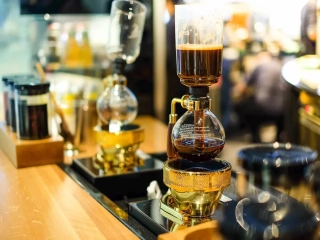
Siphon pot coffee making process parameters what are the advantages and disadvantages of siphon coffee
About 10 years ago, siphon pot coffee was very popular in East Asia, and there was often a row of exquisite siphon pot utensils in alley cafes. Now, siphon coffee has been replaced by hand-brewed coffee and has become the main way of production in the new generation of coffee shops. There are few coffee shops that still insist on siphon pots.

Analysis of the charm of soaking extraction--siphon pot brewing complete tutorial (with video)
Professional barista exchanges, please pay attention to coffee workshop (Weixin Official Accounts cafe_style ) immersion extraction method immersion extraction method, as the name suggests, its principle is to let coffee powder soak in a container, and hot water for a period of time, dissolution diffusion to smoothly release coffee flavor and aromatic substances, and before the impurity precipitation, complete the extraction
Matters needing attention in siphon pot brewing coffee
Using the siphon principle, the boiling water is made into coffee powder and stewed to produce the original flavor of coffee. Suitable for coffee: slightly sour, medium mellow coffee grindability: slightly thicker than powder, close to special fine granulated sugar. What are the secrets and precautions for making coffee in a siphon pot? Methods / steps read the experience of END Baidu: dry the bottle under the jingyan.baidu.com precautions

Coffee utensils understand the structure of siphon pots
Second, the siphon pot principle uses the siphon principle to make the boiling water into the coffee powder and stew out the original flavor of the coffee. Suitable for coffee: slightly sour, medium mellow coffee grindability: slightly thicker than powder, close to special fine granulated sugar. Siphon coffee, which turns the living room into coffee brewed by siphon in a cafe, is a favorite of many coffee fans. Some people say that because it can extract the most perfect part of coffee.

Siphon coffee maker (Syphon)
Siphon coffee pot, also known as Syphon. It was developed by Robert, an engineer of the Scottish Navy. Robert Napier invented it in 1840. Although the siphon coffee pot is called the siphon pot, it has nothing to do with the siphon principle. Instead, it uses water heating to produce water vapor, which causes the principle of hot expansion and cold contraction. It pushes the hot water from the lower seat to the upper pot, and produces negative after the next pot cools.

Coffee beans and medium baking in producing areas China Bakery net siphon Pot hand Pot pressing Kettle
Flavor: Maple syrup sweetness and wheat sugar flavor, lively lemon acidity and creamy mellow taste, persistent sweetness and clean finish. Baker: Xiao Fujiang baking degree: moderate baking packaging: one-way exhaust valve packing unit: half pound pack cooking suggestion: hand flushing, siphon kettle, flannel hand cooking recommended water temperature: 90-95 ℃ grinding degree: 3 scale powder water
Coffee pot knowledge coffee knowledge coffee utensils siphon pot
Siphon pot using siphon pot to make coffee is a time-consuming thing, but it can hone your mood, taste coffee and show your style. Because it includes grinding, stewing, and mastering the heat, the whole process must be put into it wholeheartedly. One more point is heavy, and one less point is light. Only with good technical mastery can the most perfect part of coffee be extracted. Although it is a little troublesome, it is not coffee.
About the siphon coffee maker
Siphon coffee pot, also known as Syphon. It was developed by Robert, an engineer of the Scottish Navy. Robert Napier invented it in 1840. Although the siphon coffee pot is called "siphon pot", it has nothing to do with the siphon principle, but uses water heating to produce water vapor, resulting in the principle of hot expansion and cold contraction, pushing the hot water from the lower seat to the upper pot and waiting for the next pot to cool.

Coffee vessels introduce siphon coffee maker
Siphon coffee pot, also known as Syphon. It was developed by Robert, an engineer of the Scottish Navy. Robert Napier invented it in 1840. Although the siphon coffee pot is called the siphon pot, it has nothing to do with the siphon principle. Instead, it uses water heating to produce water vapor, which causes the principle of hot expansion and cold contraction. It pushes the hot water from the lower seat to the upper pot, and produces negative after the next pot cools.

How to correctly operate the siphon pot to make good coffee siphon pot coffee requirements
1. The next bottle should be dried and there should be no water droplets. When you pull out the upper seat, tilt to the right and pull it straight up, do not break it. 3. The spring under the middle filter should be tightened, the hook should be hooked, and pulled to the center. 4. Plug it down when you plug it into the seat. 5. Pay attention to water quality: pure water, purified water, magnetized water, distilled water, do not use mineral water? 6. The temperature is between 80 and 90 degrees Celsius?
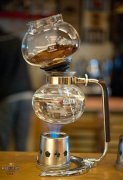
Hand coffee brewing skills siphon coffee pot brewing coffee
Siphon coffee pot, also known as Syphon. It was developed by Robert, an engineer of the Scottish Navy. Robert Napier invented it in 1840. Although the siphon coffee pot is called the siphon pot, it has nothing to do with the siphon principle. Instead, it uses water heating to produce water vapor, which causes the principle of hot expansion and cold contraction. It pushes the hot water from the lower seat to the upper pot, and produces negative after the next pot cools.
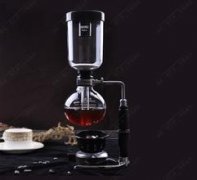
Siphon coffee maker (Syphon) is also known as plug pot.
Siphon coffee pot, also known as Syphon. It was developed by Robert, an engineer of the Scottish Navy. Robert Napier invented it in 1840. Although the siphon coffee pot is called the siphon pot, it has nothing to do with the siphon principle. Instead, it uses water heating to produce water vapor, which causes the principle of hot expansion and cold contraction. It pushes the hot water from the lower seat to the upper pot, and produces negative after the next pot cools.

The origin of the candle name of the American boutique coffee 90+ series, how does siphon Sidamo taste?
Ninety + Candlestick Ninety Plus Coffee, a boutique coffee supplier from the United States, was founded in 2006. in the ten years since its inception, Ninety + has made the coffee industry all over the world realize its unique charm and led the unprecedented boutique coffee craze in the world. Ninety + does not refer to all coffee with a score of more than 90. Good coffee, one year.

How would you like your coffee? Hand punch, siphon, pressure. What kind of coffee maker do you like?
Professional coffee knowledge exchange more coffee bean information Please pay attention to the coffee workshop (Wechat official account cafe_style) there are many kinds of coffee brewers all over the world, such as hand-brewed / siphon / mocha pot / French filter / Philharmonic pressure / smart filter cup / Italian / Turkey / ice drop and even capsule coffee maker. So what is the difference between these tools? We know about coffee.

Boil the key siphon pot
Good siphon coffee is like drinking good tea, mellow, palatable and fragrant. [2] 1. The next bottle should be wiped dry and there must be no drops of water, otherwise it will break. two。 Pull the upper seat to the right and back straight up, do not pull and break. 3. The spring under the middle filter should be tightened, the hook should be hooked, and it should be set to the center. 4. Insert the upper seat tightly down. 5. Water quality: pure water, purified water, magnetization

Make a siphon pot of coffee
Recently, some friends have been asking me, it seems that I have been using siphon recently. Indeed, recently I have become obsessed with the taste of siphon, and more and more friends have begun to ask me how to use siphon to make coffee. The coffee made by the siphon pot tastes more mellow, because a large amount of coffee oil is dissolved in the coffee liquid, so the coffee made by the siphon pot is more mellow.

Siphon Coffee Pot (Syphon) to plug the air pot to make coffee
Siphon coffee pot, also known as Syphon. It was developed by Robert, an engineer of the Scottish Navy. Robert Napier invented it in 1840. Although the siphon coffee pot is called the siphon pot, it has nothing to do with the siphon principle. Instead, it uses water heating to produce water vapor, which causes the principle of hot expansion and cold contraction. It pushes the hot water from the lower seat to the upper pot, and produces negative after the next pot cools.